AI & DataSpotlight project
ConteoBK
Occupancy control with computer vision and real-time video.
- Python
- DeepStream
- Kubernetes
- Laravel
I'm Diego Orue. I build backend systems, computer vision pipelines, and data platforms—from initial integration to production deployment.
Backend · Computer vision · Data
How my projects work13 projects to explore
Occupancy control with computer vision and real-time video.
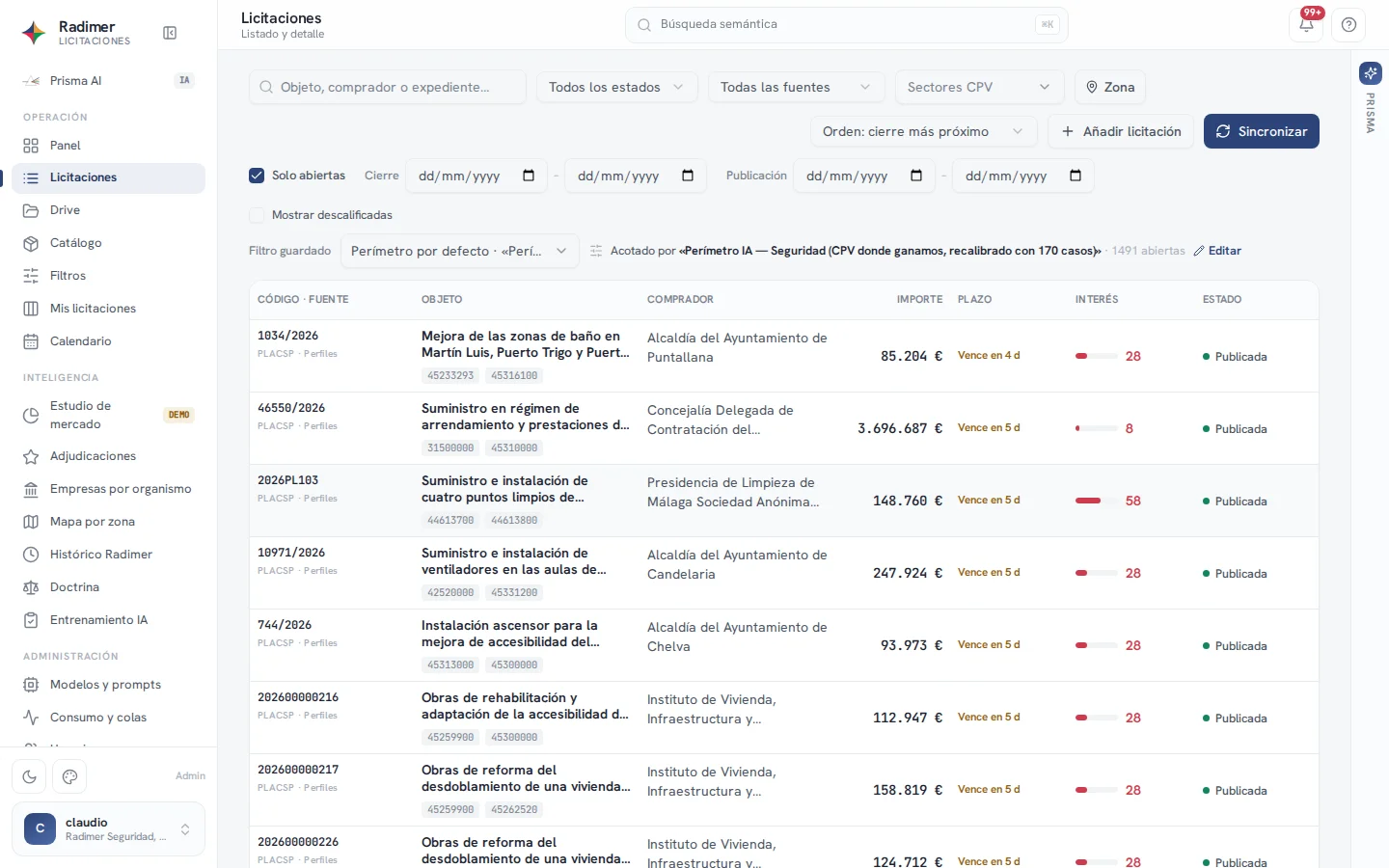
Find public procurement opportunities and analyze tender specifications.
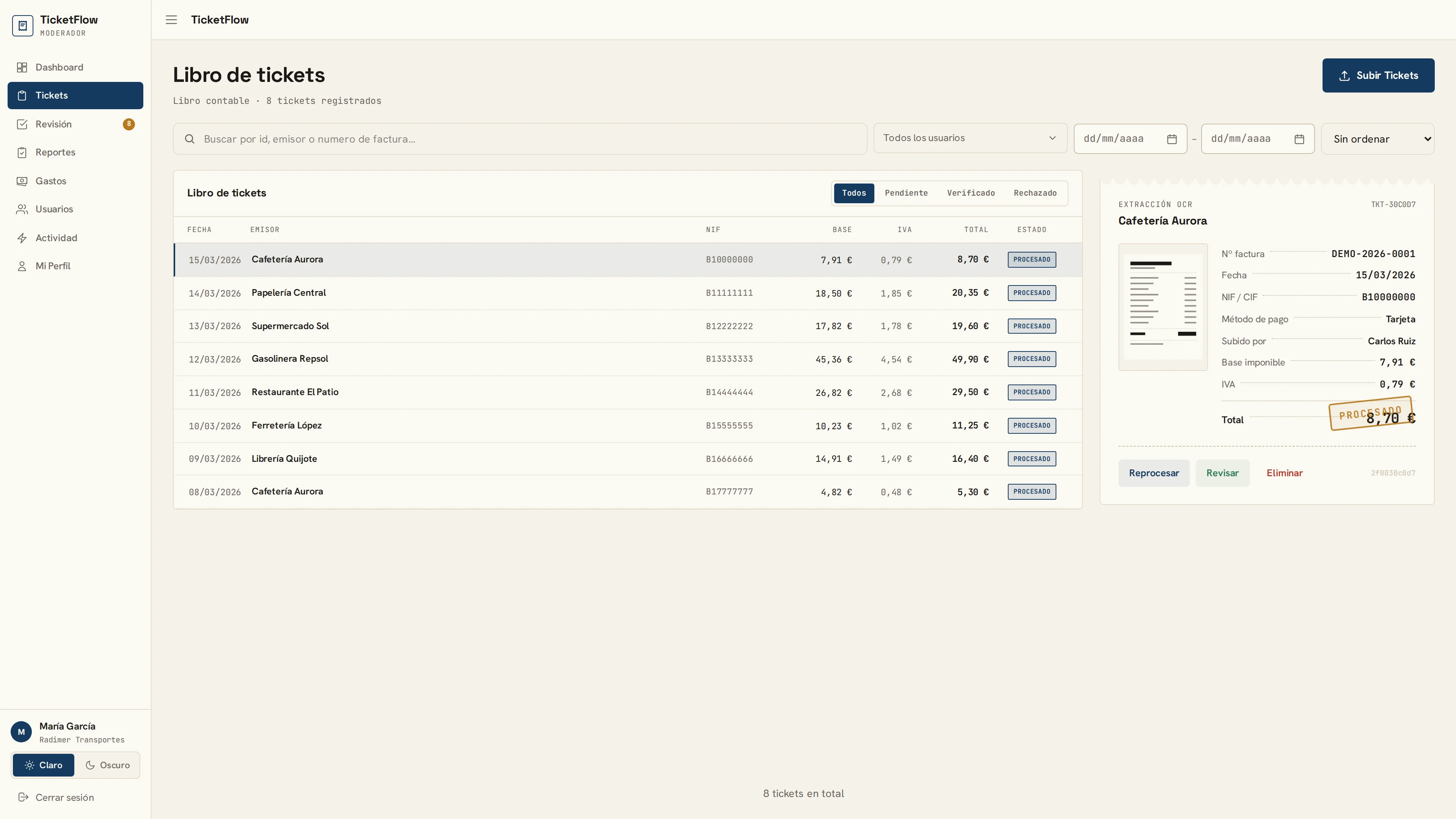
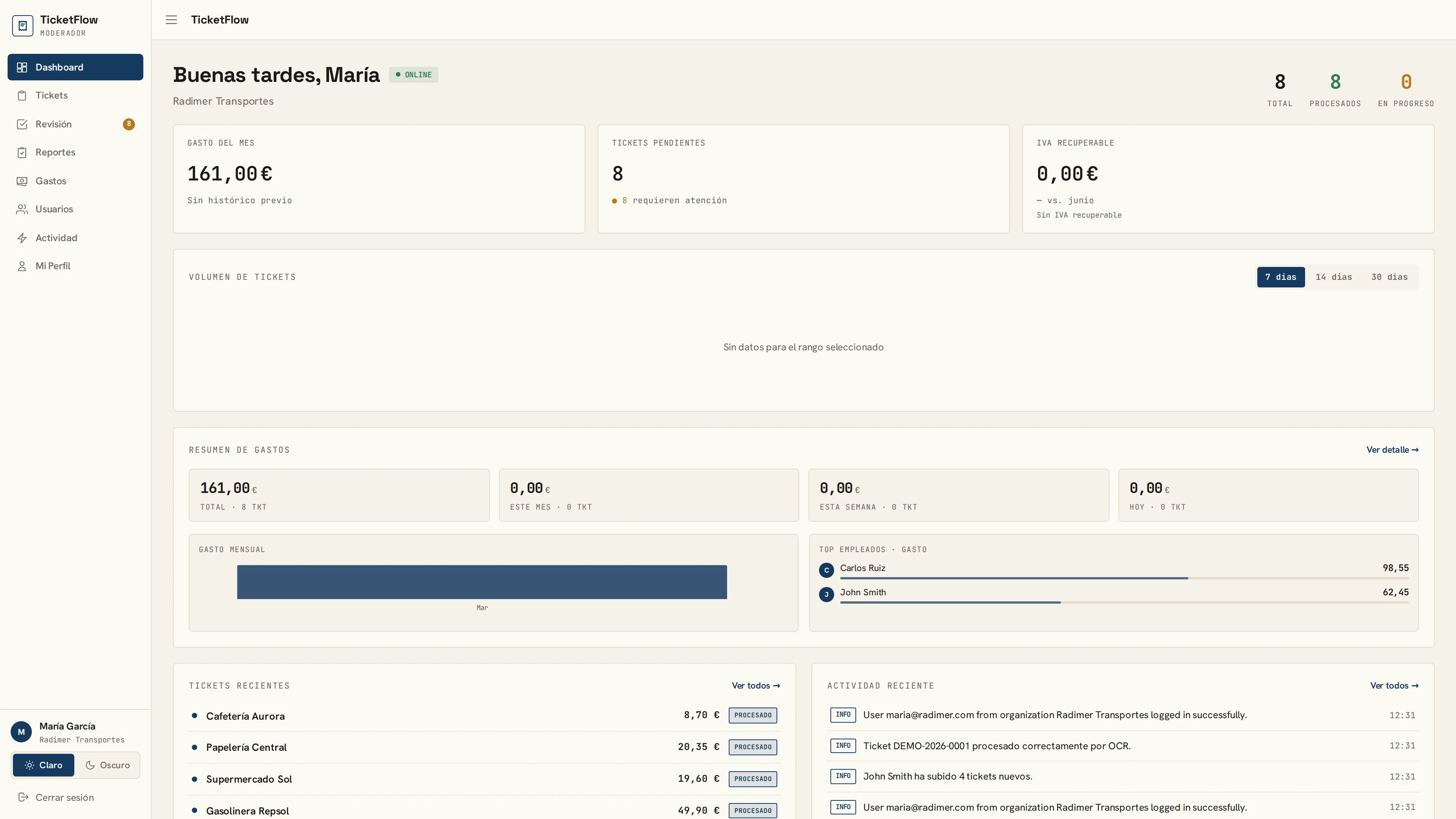
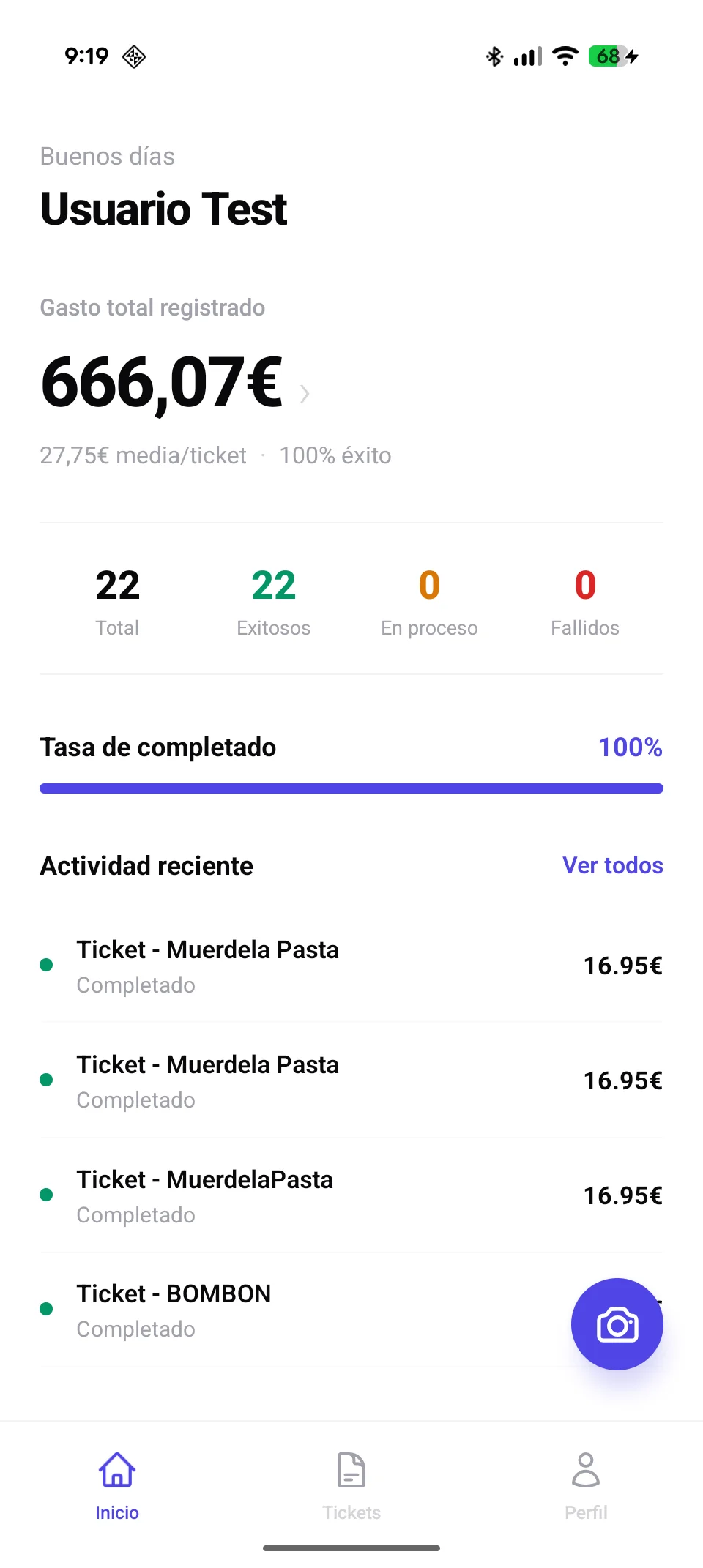
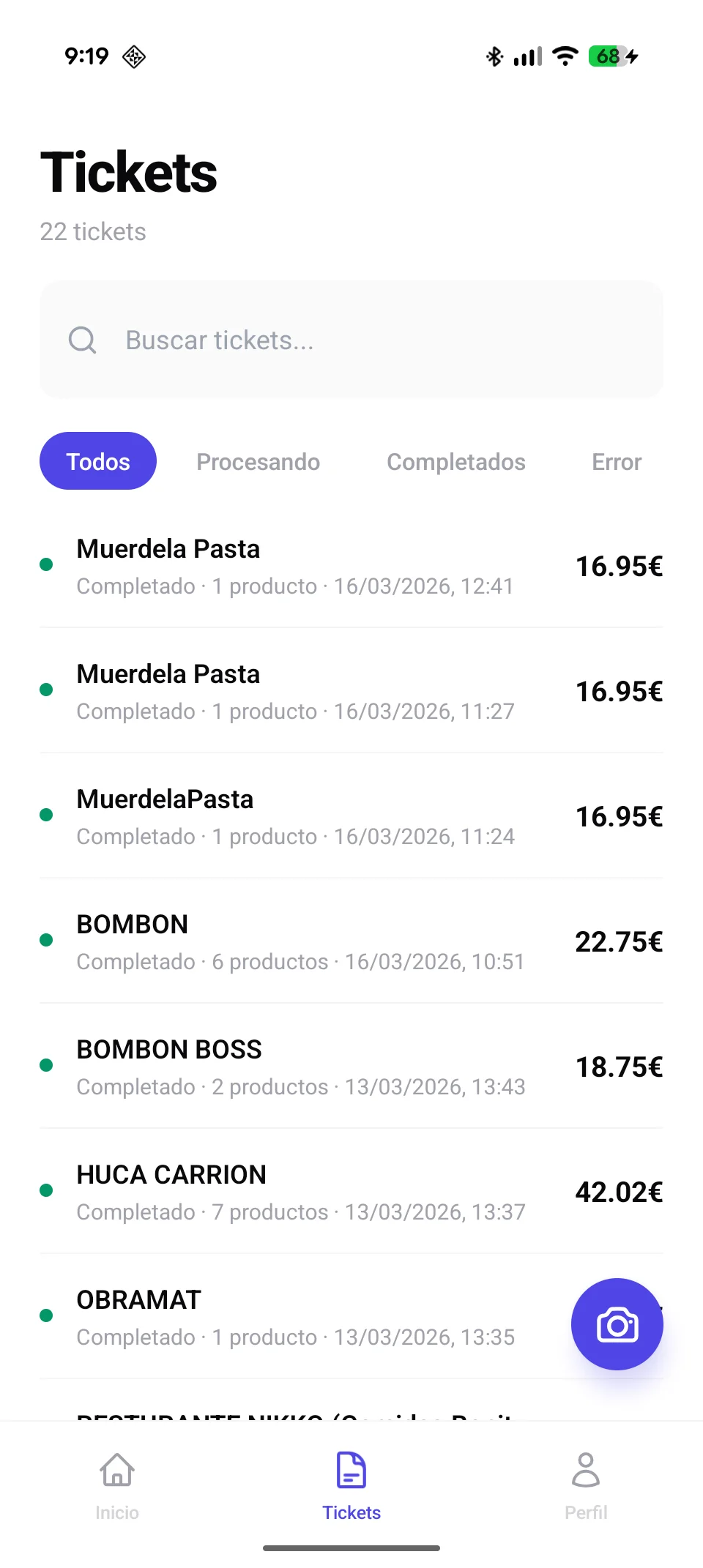
From a receipt photo to actionable structured data.View workflow
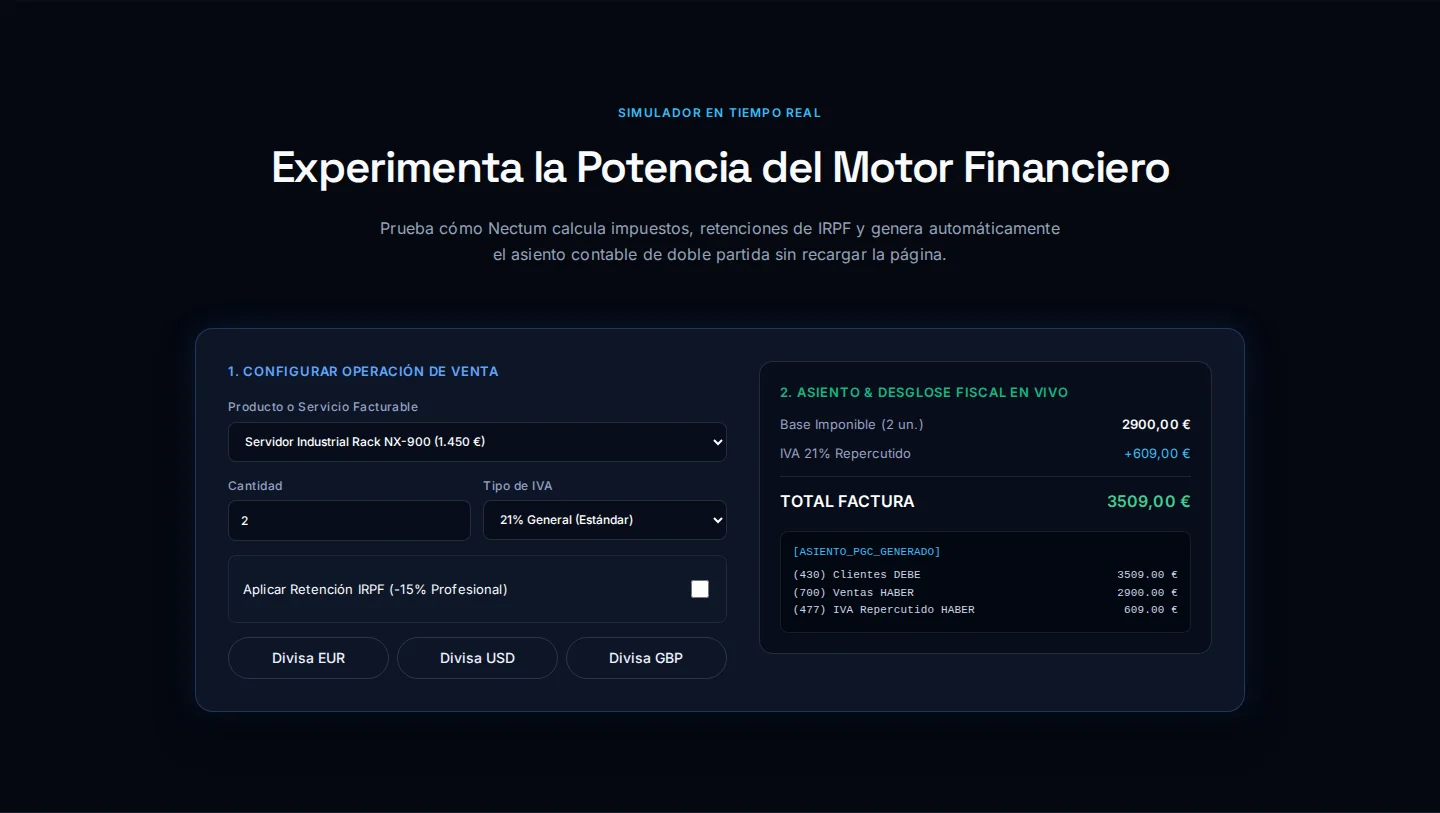
A modular Rust ERP connecting sales, inventory, and accounting.View workflow

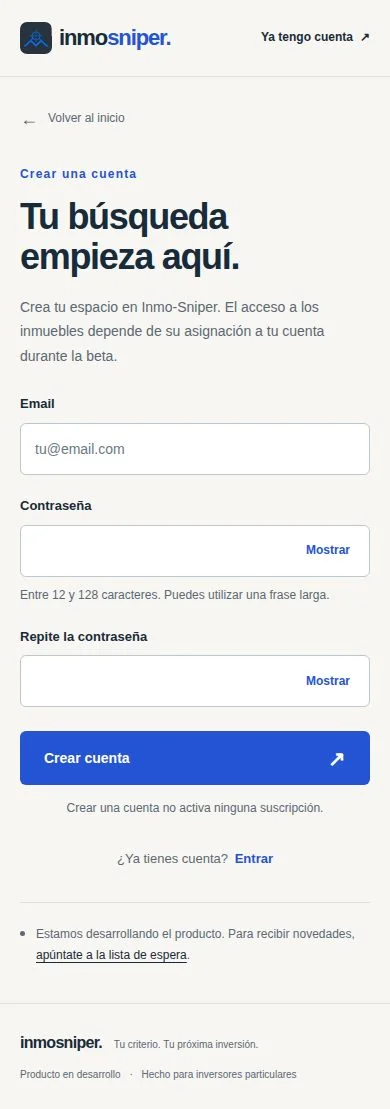
A real estate radar with custom searches and personal alerts.
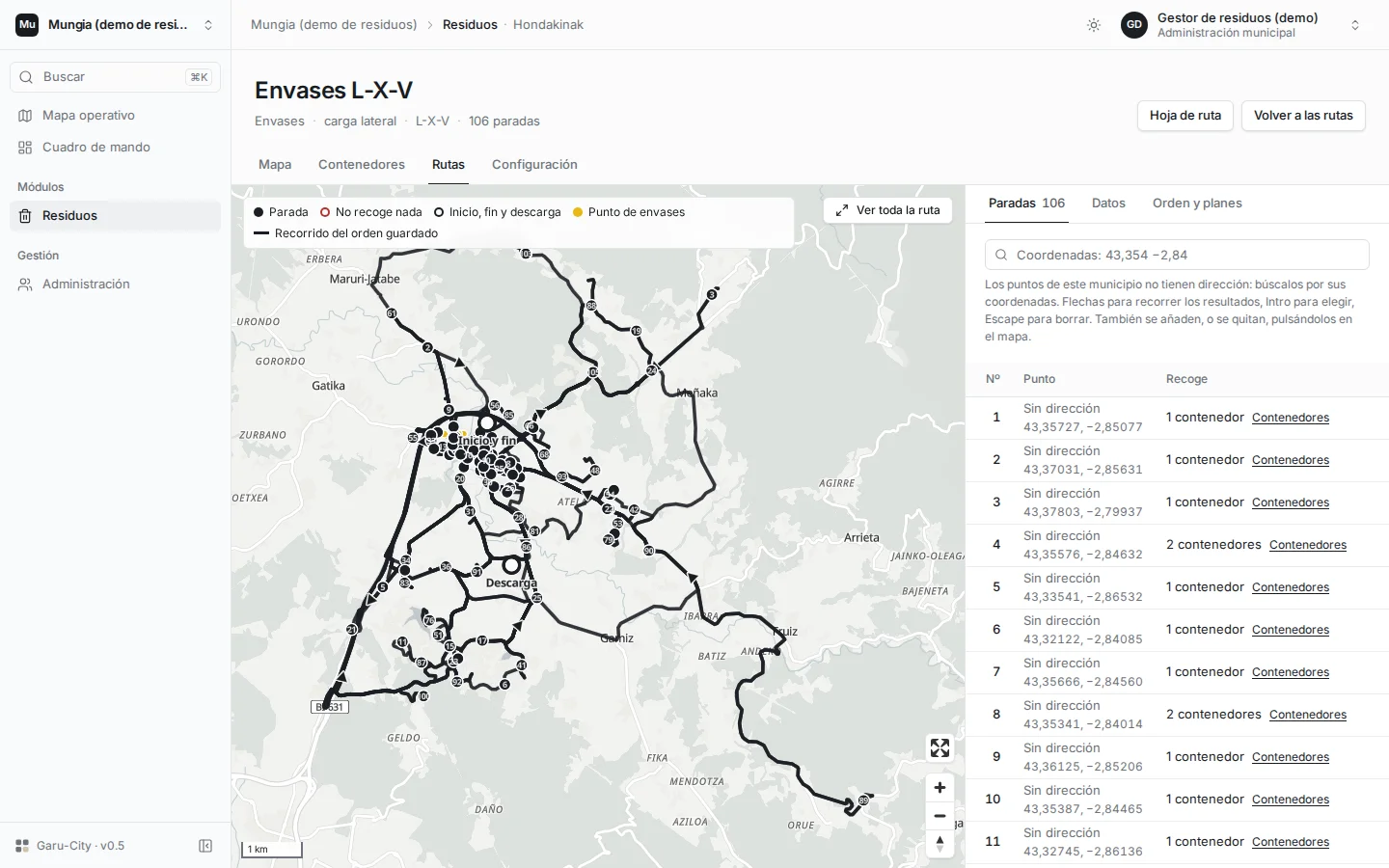
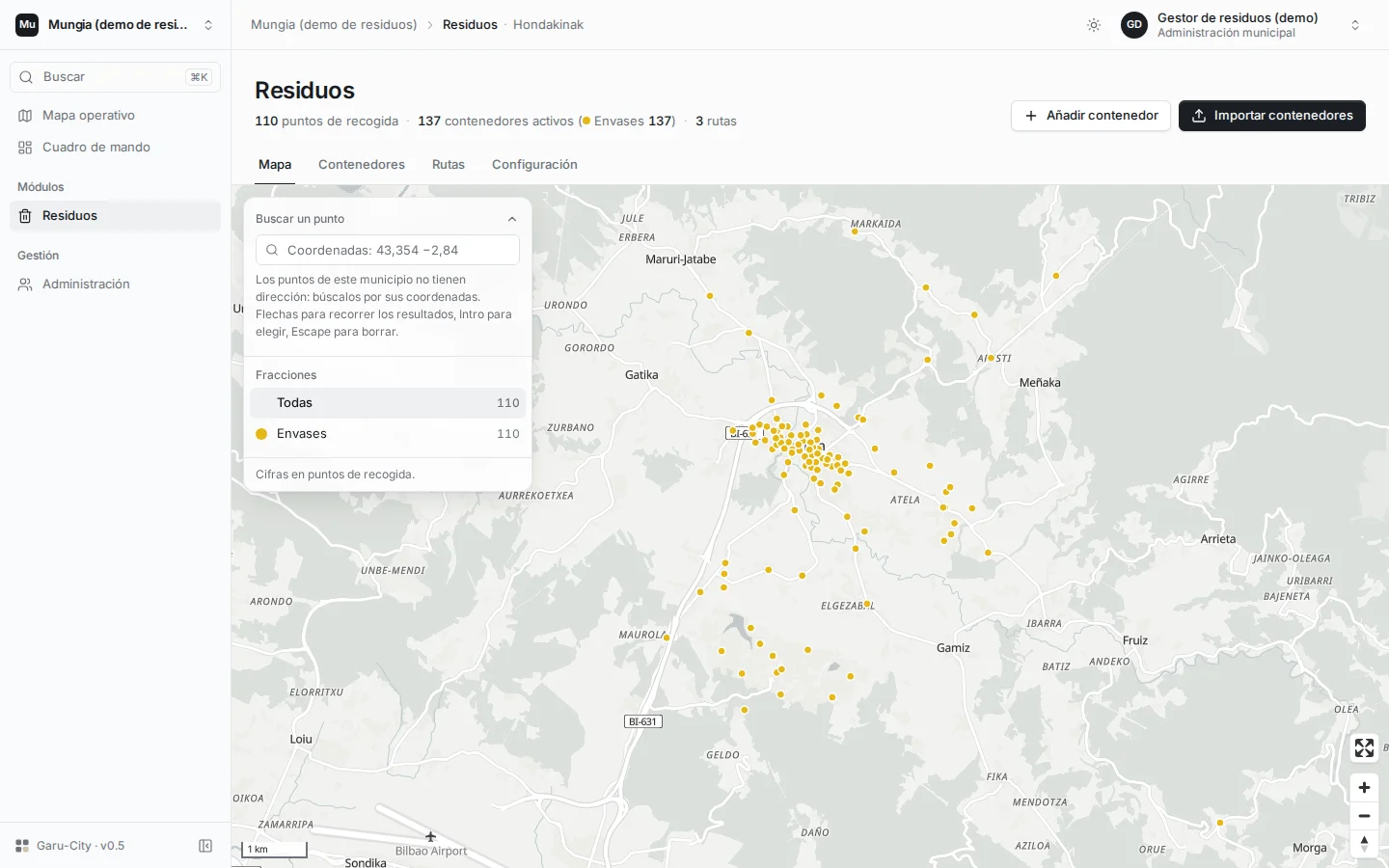
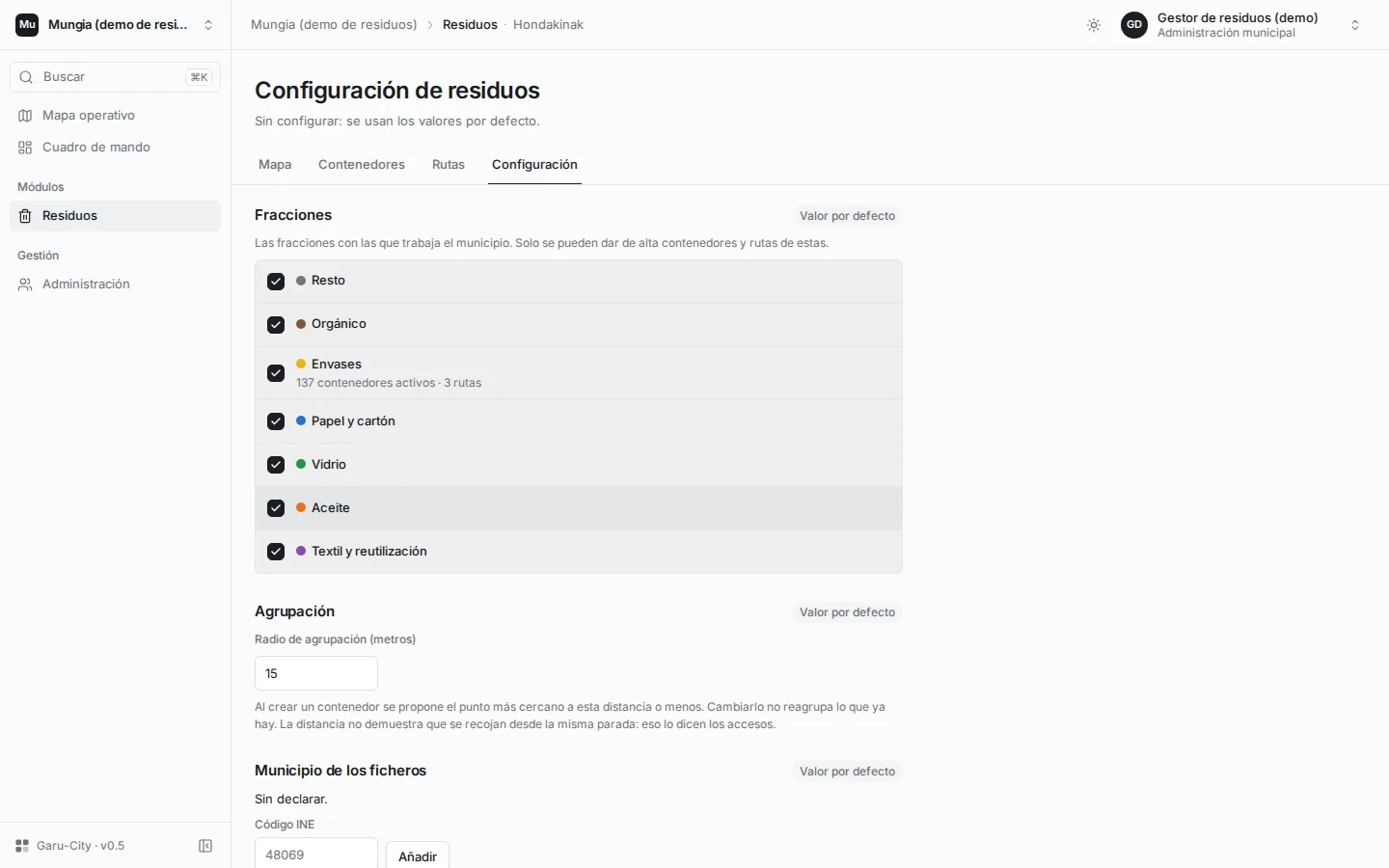
Container inventory and waste collection route planning on a map.
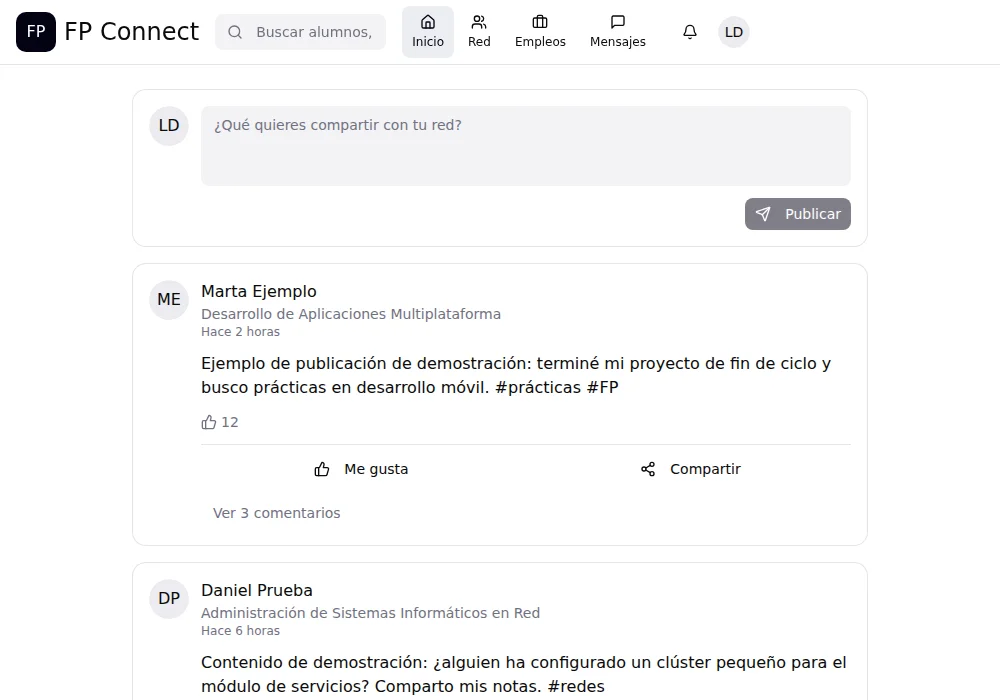
Mobile networking network for vocational students, alumni, and tutors.
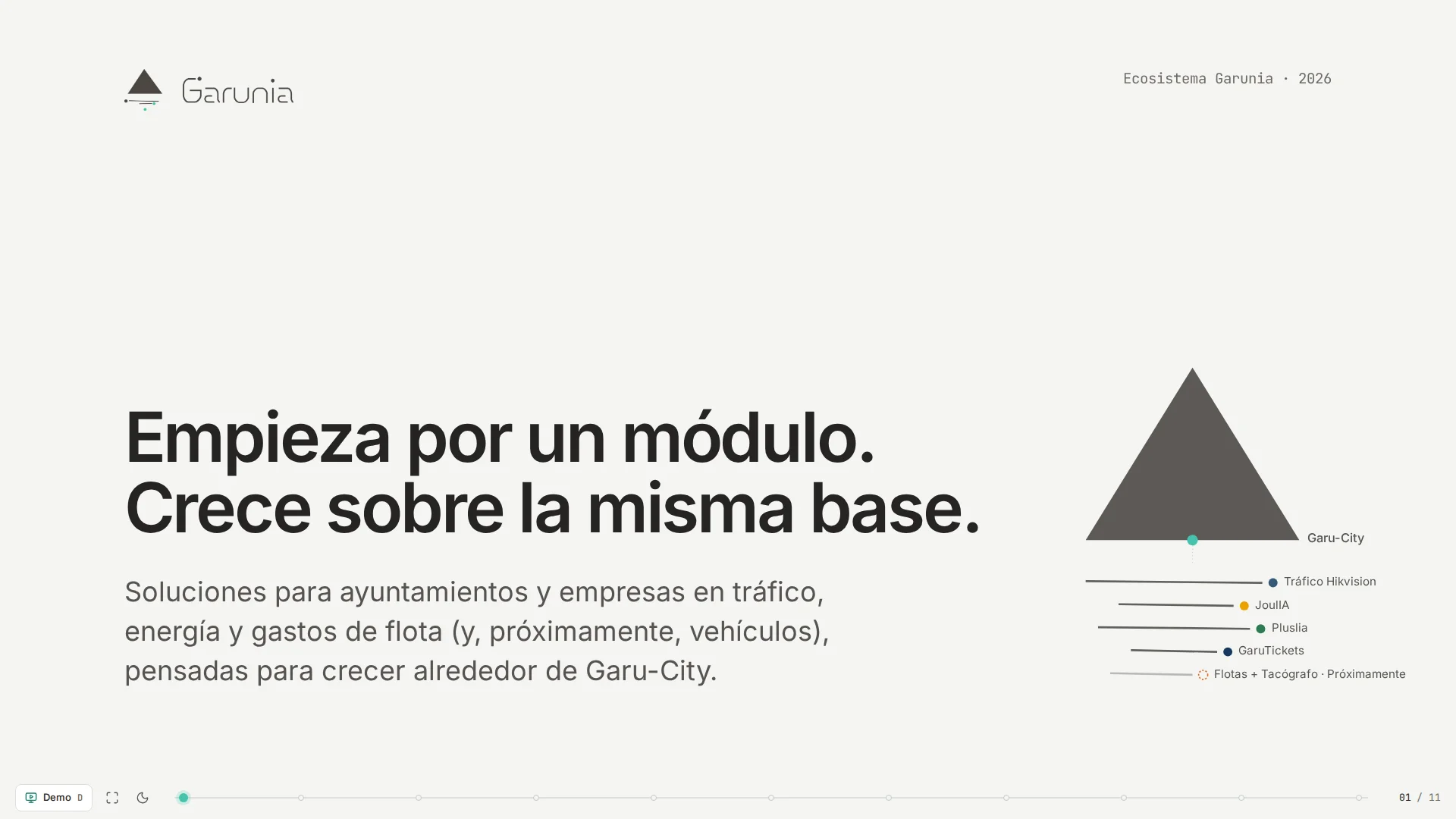
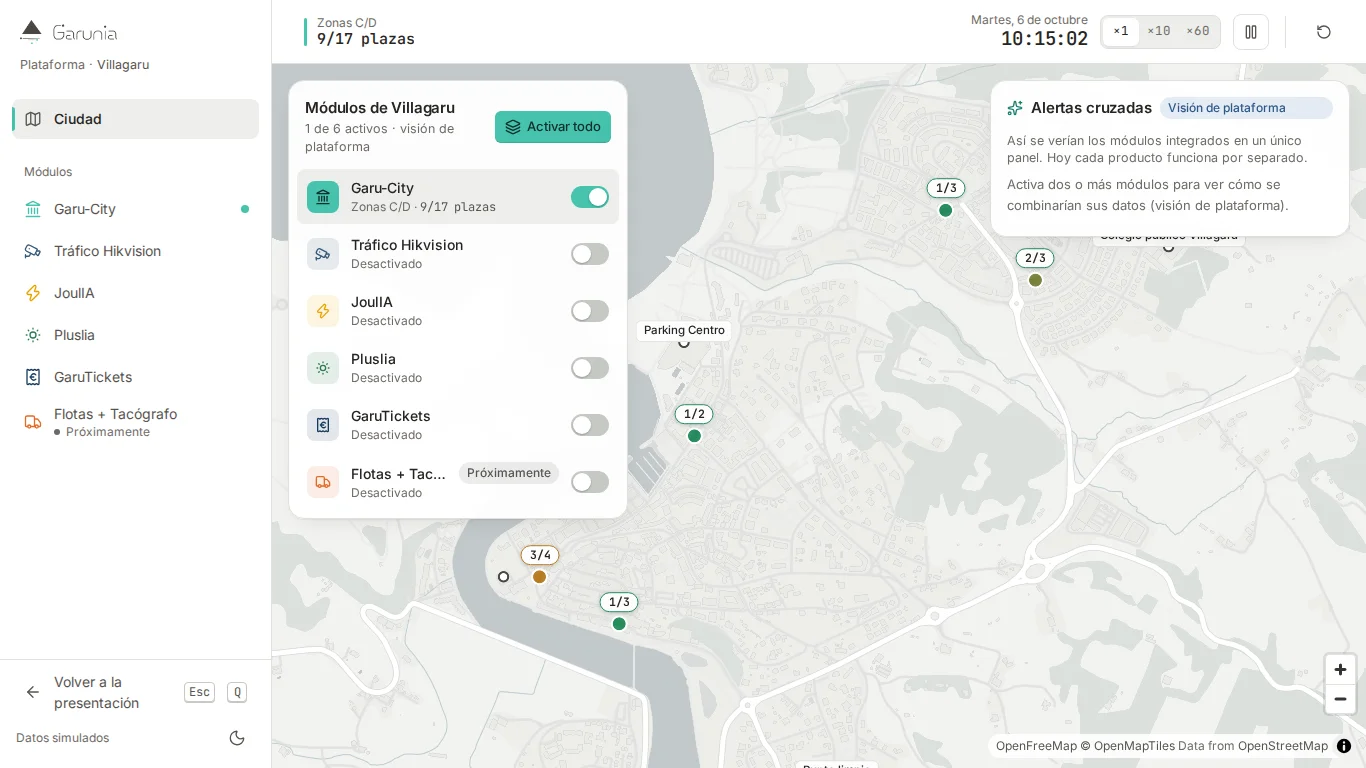
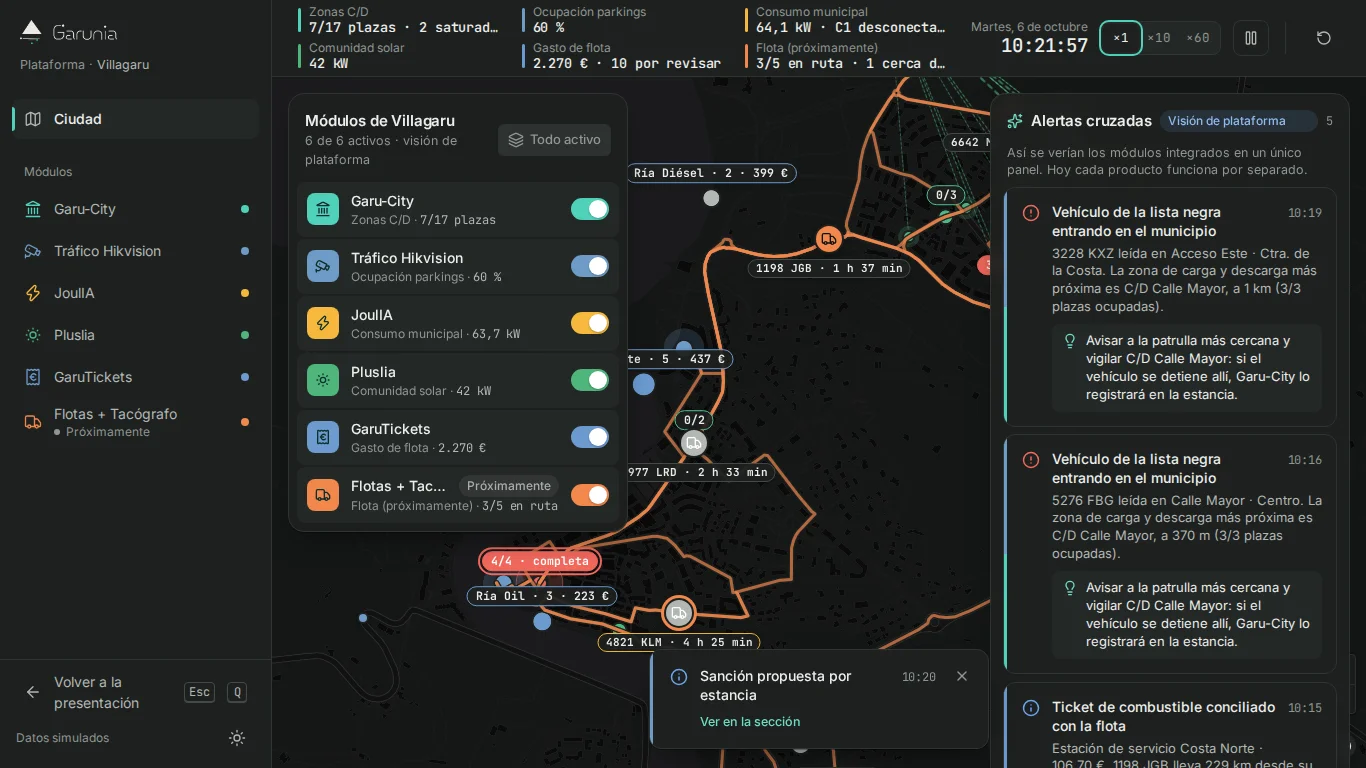
An interactive pitch presentation with an integrated city demo.
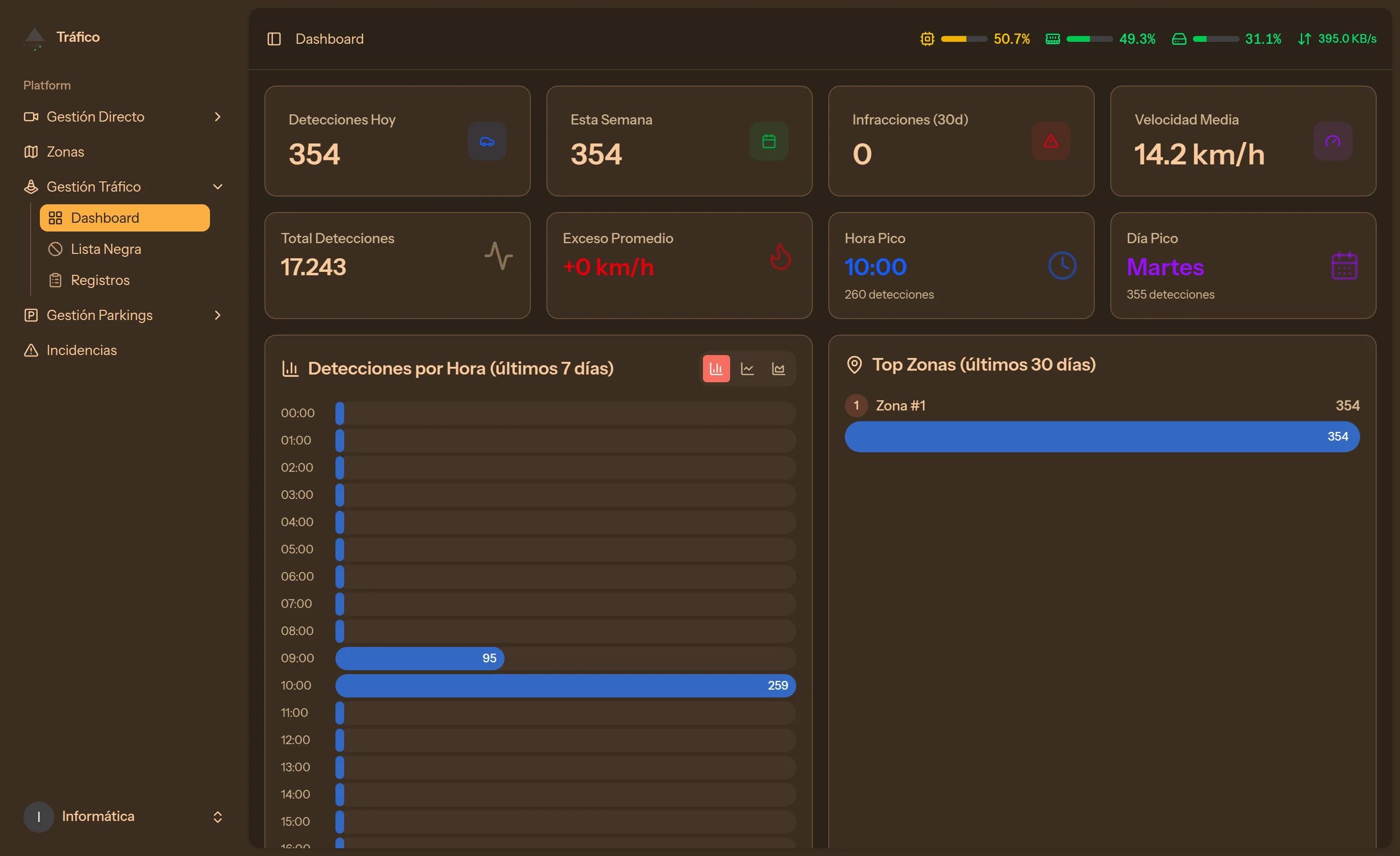
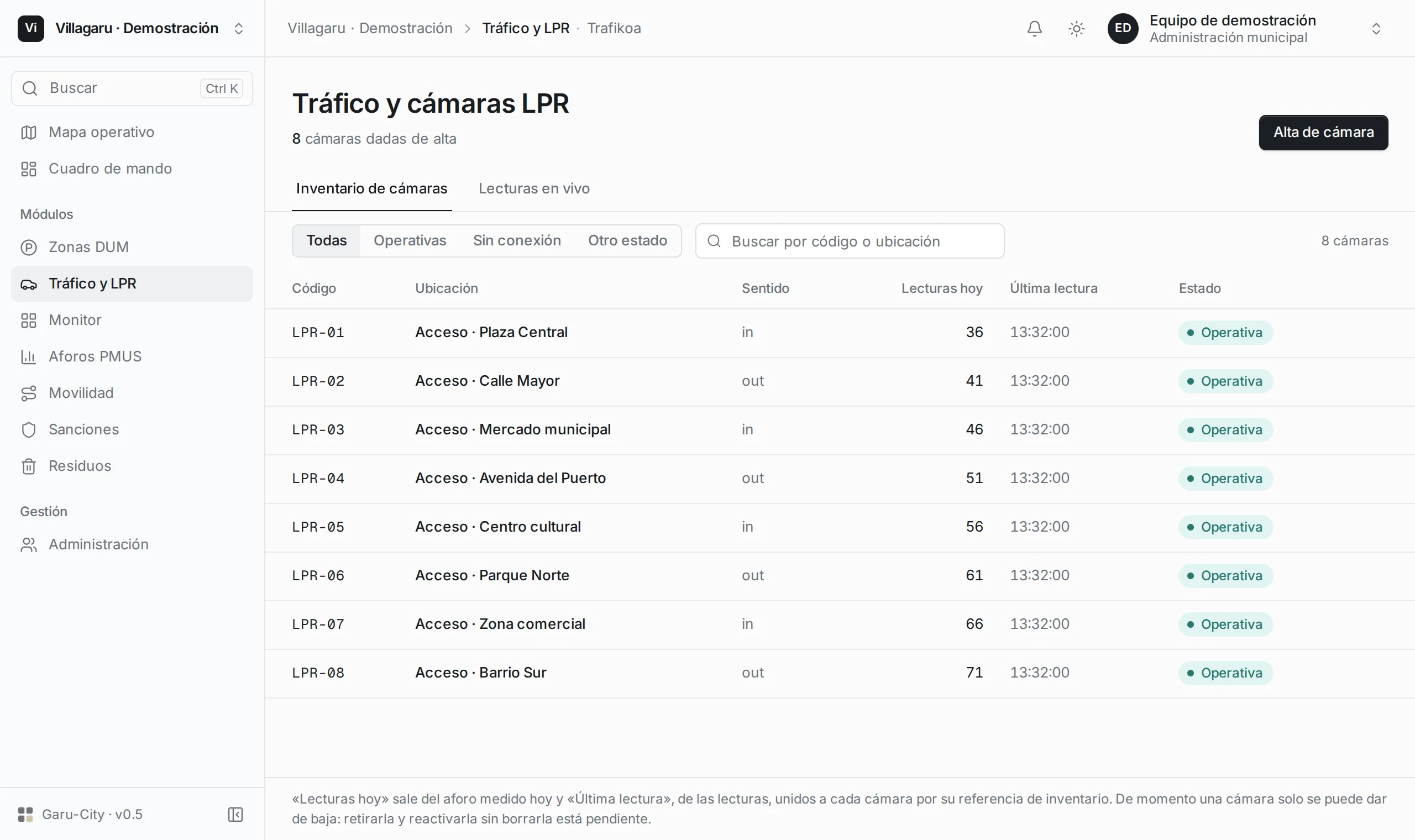
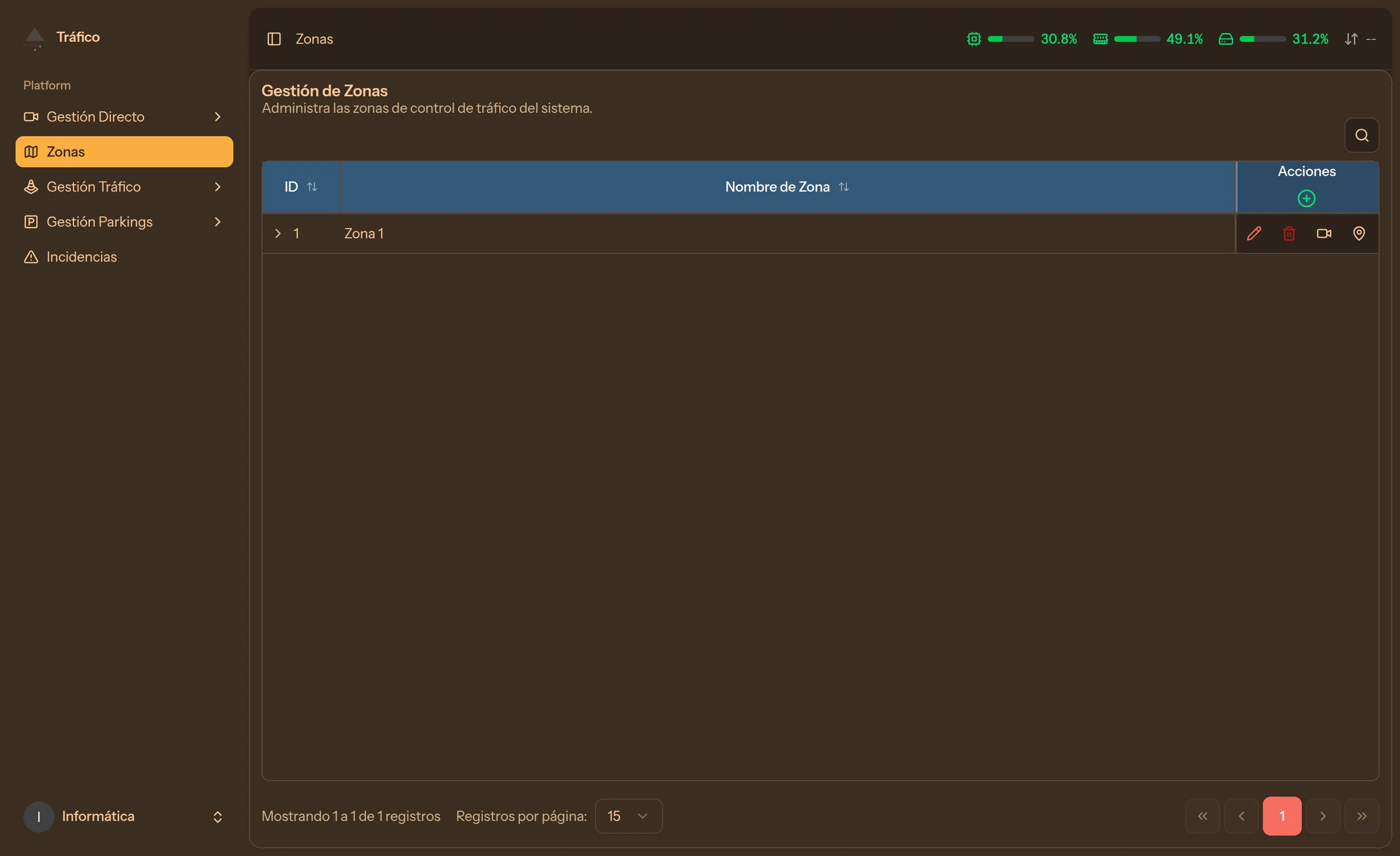
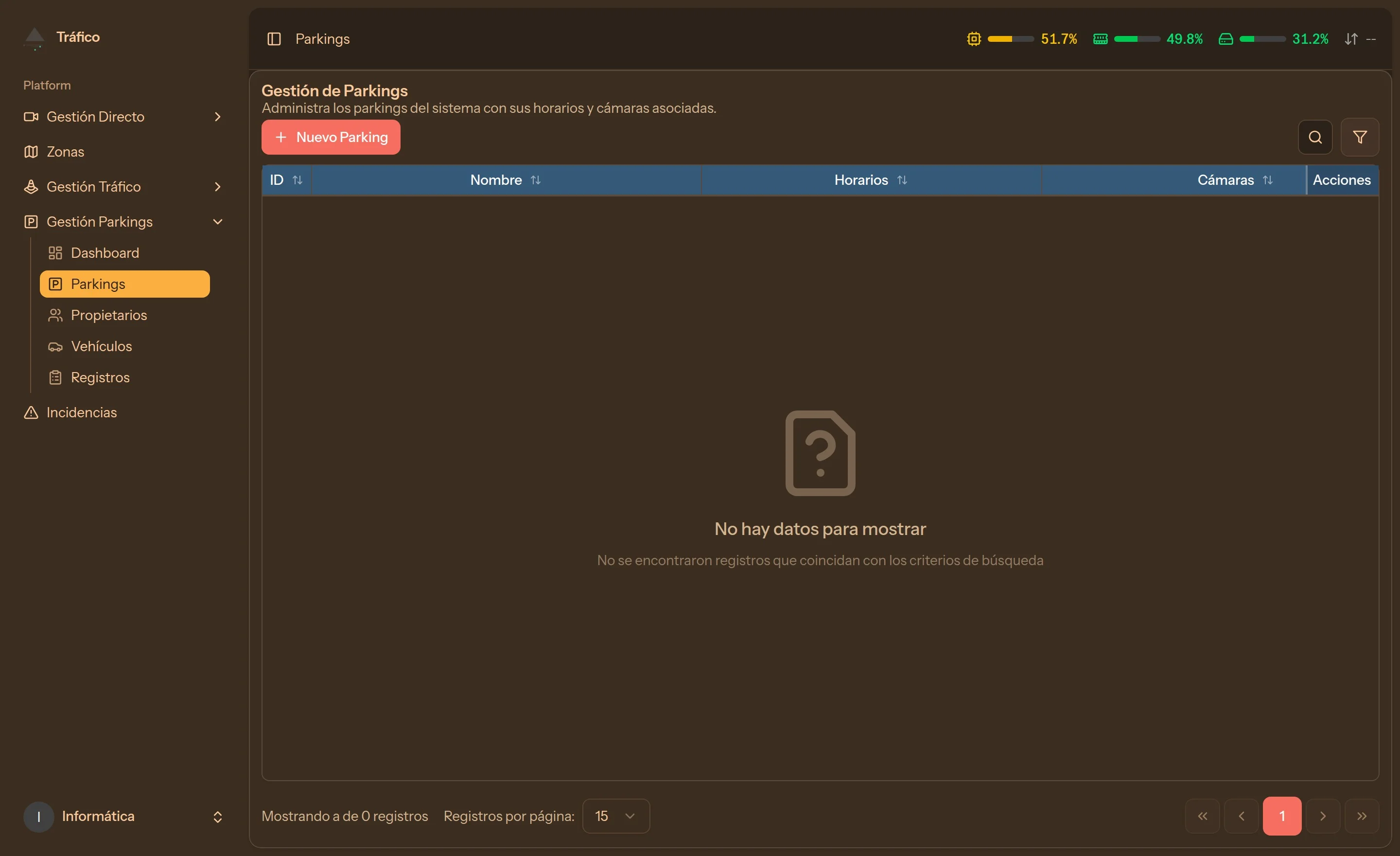
Access control and parking management connected to ANPR cameras.
Digitize, search, and classify municipal public records.
IT infrastructure inventory, from the client to the physical device.View workflow
Try another name or technology, or reset filters to explore all projects.
From user workflow to system architecture.
Counting starts at an optical sensor and ends at live zone occupancy. In between are two distinct pathways: capacity events and user-facing video streaming.
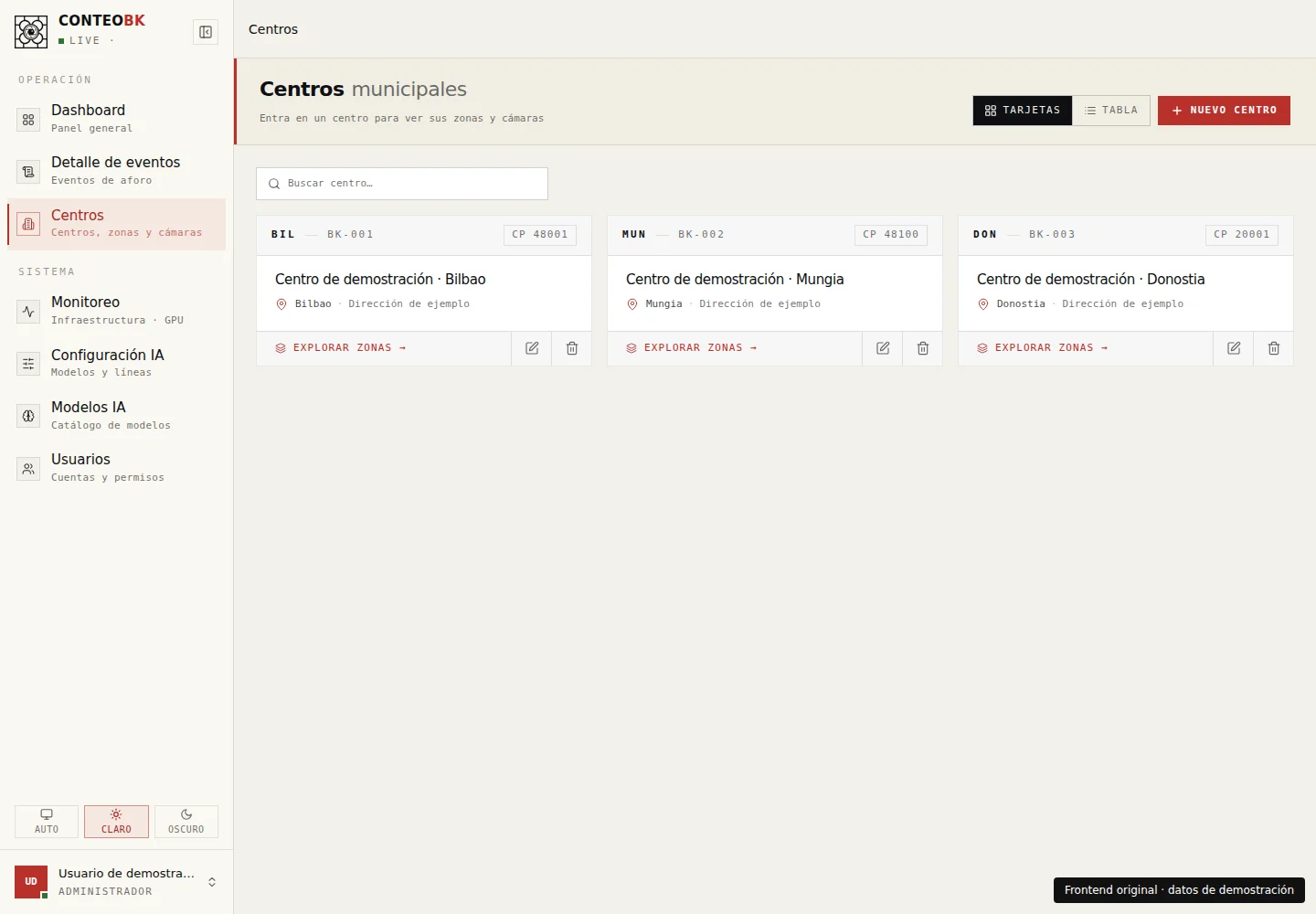
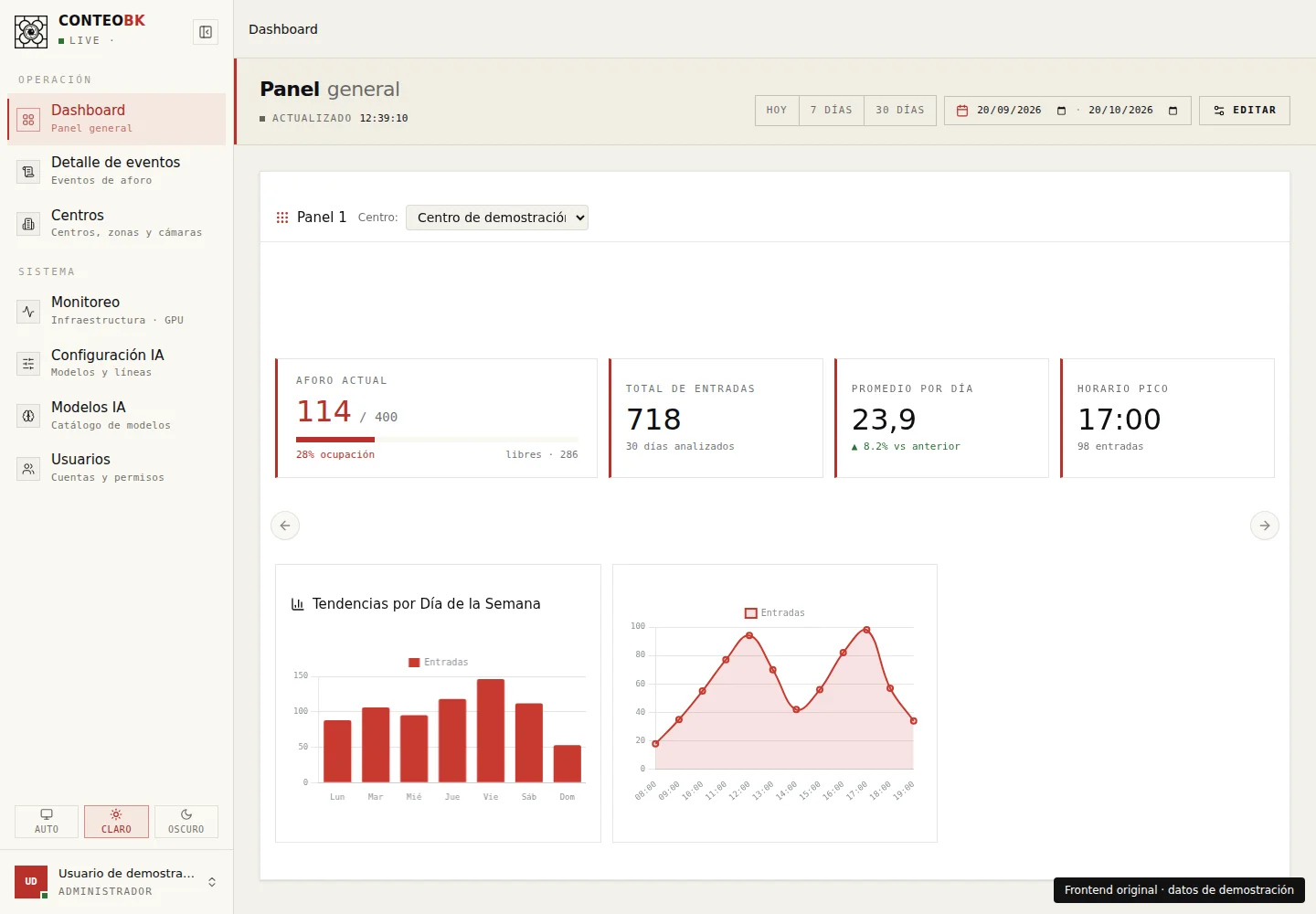
Camera video is converted into real-time entry/exit events and visible occupancy per facility zone.
ConteoBK
Select a part of the architecture map to learn about its role.
The Milestone XProtect ONVIF Bridge feeds RTSP streams into the cluster. The platform manages dozens of cameras linked to specific facilities and zones.
The pipeline detects and tracks individuals, registering line crossings for entries and exits. Kubernetes balances pipelines across GPUs; dashboard manages ONNX models.
Crossings dispatch HMAC-signed event payloads to Laravel. The backend tracks zone tallies, utilizing Redis and Reverb WebSockets for live push updates.
The dashboard displays live occupancy counts and capacity alerts. WebRTC delivers low-latency live video, activating GPU encoding on demand when inspected.
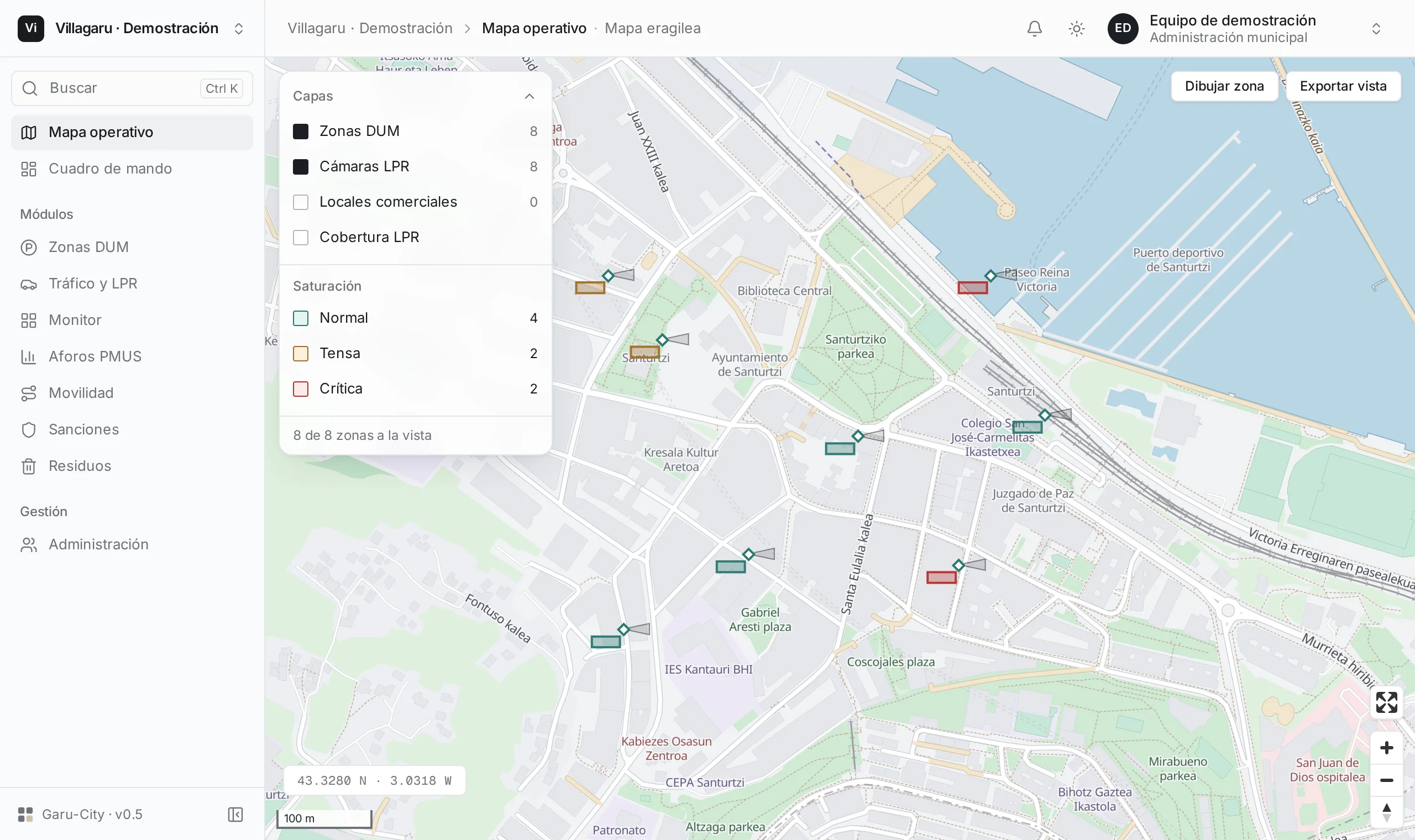
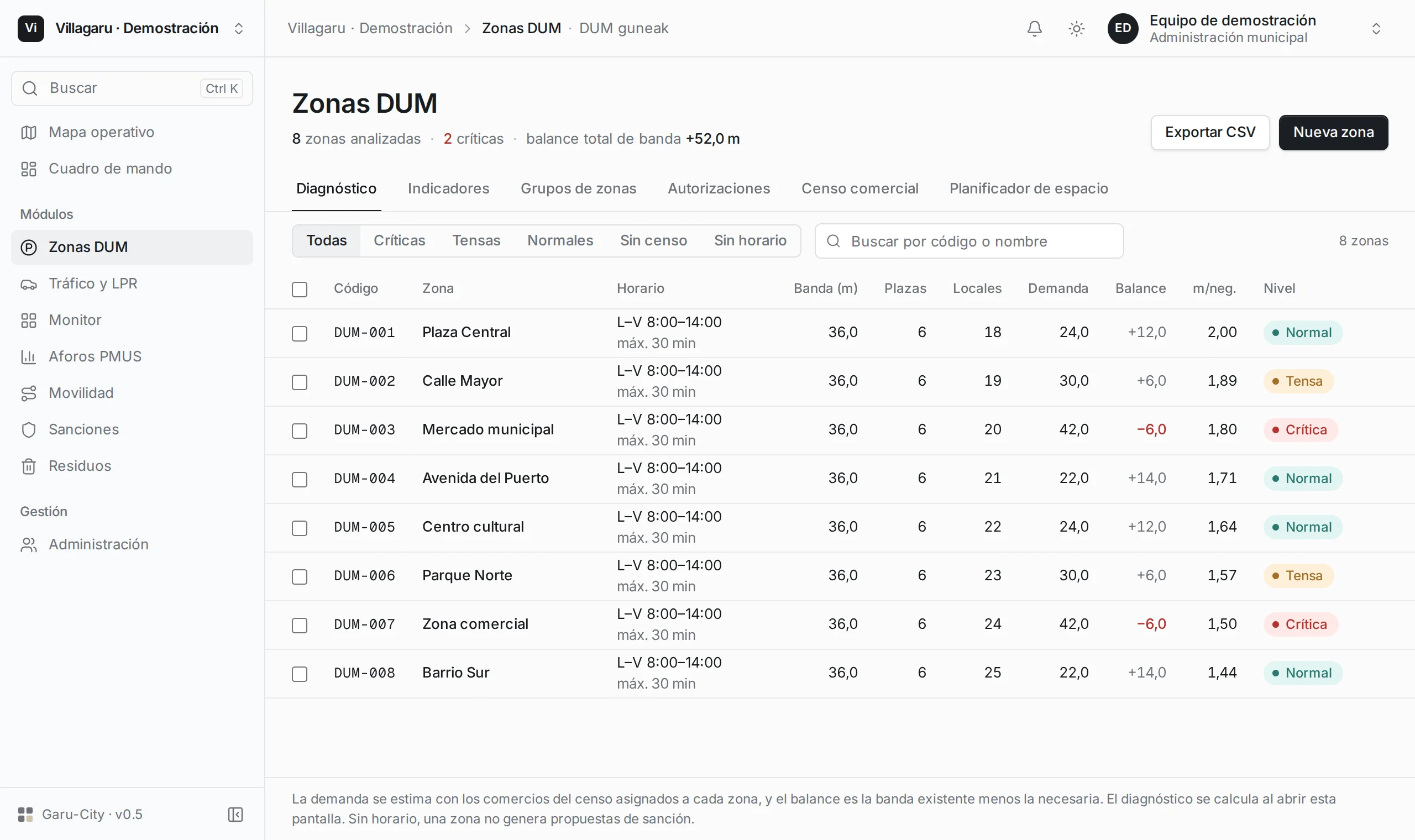
Devices are organized by client and linked to physical branches. That structure unites hardware assets with IP addresses, network topology, and support tickets.
Clients, office branches, and hardware devices share a unified structure linking inventory with networking.
inventarioIT
Select a part of the architecture map to learn about its role.
Information is organized hierarchically by client, branch, and device, with custom fields. Bulk Excel import streamlines onboarding existing hardware.
The backend links hardware, physical connections, and IP subnets. IPAM modules track address allocations while ticket logs provide full audit trails.
PostgreSQL stores asset records and Redis handles asynchronous queues. Granular permissions ensure engineers only access authorized client tenants.
The web app visualizes network topologies and hardware relationships. Export tools generate professional PDF and Excel reports for clients.
The original image is preserved while processing continues in the background. OCR extracts raw text; an LLM turns it into structured, verifiable expense records.
Image capture, OCR extraction, and verification connect through an asynchronous pipeline.
GaruTickets
Select a part of the architecture map to learn about its role.
The mobile app captures receipt photographs and submits them for digitization. The image is the entry point for the extraction pipeline.
RabbitMQ distributes jobs across processing workers. PaddleOCR and LLMs extract merchant, date, line items, taxes, and totals.
MinIO stores original images securely, while MongoDB holds parsed application data. Express APIs deliver results to the mobile app and dashboard.
The web dashboard lets users inspect, verify, and export extracted receipt fields. The backoffice centralizes expense reporting workflows.
The sales cycle coordinates documents, stock reservations, and inventory movements. Automated journal entries are posted when company ledger accounts are configured.
Sales, inventory, purchasing, and accounting share an API with tenant-isolated data.
Nectum
Select a part of the architecture map to learn about its role.
The interface uses Nectum’s TypeScript client to query and manage modules. The SDK centralizes API requests and session token refresh.
Axum exposes HTTP routes on Tokio. Authentication, role-based access control, and tenant context govern every request, documented via OpenAPI.
SQLx opens transactions initialized with company context. PostgreSQL Row-Level Security policies restrict queries and mutations to that tenant.
Each business domain lives in an isolated crate. Orders reserve stock; dispatches deduct inventory and post journal entries when accounts exist.
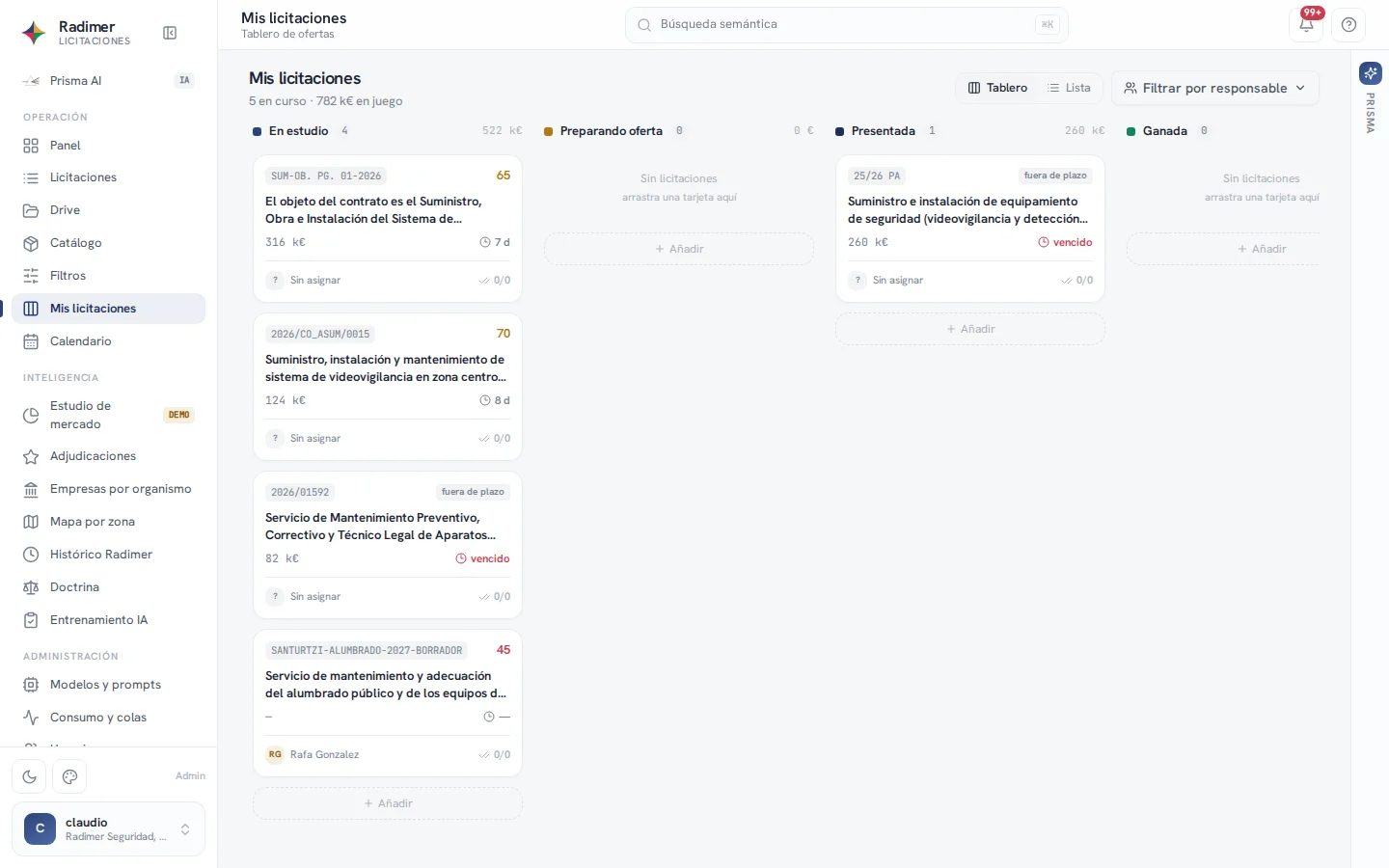
Public procurement sources feed a searchable catalog tracked per company. Specification review connects original documents with on-demand AI summaries and pipeline tasks.
Public procurement portals feed multi-company bid tracking and AI document analysis.
Public Tenders
Select a part of the architecture map to learn about its role.
Automated crawlers ingest Spanish and European tenders directly from public portals. Tender specifications are downloaded from original government repositories.
Laravel coordinates synchronization and document processing. Configurable AI providers produce structured summaries with caching and cost tracking.
Data powers saved search alerts and procurement pipelines. Kanban boards organize tender evaluation and bid preparation per enterprise tenant.
The web app lets users filter opportunities, read tender specifications, and drag bids across stages. AI summaries accelerate initial reviews.
I focus on systems that must reliably perform outside a demo environment: real-time video, large-scale document parsing, and edge device integrations.
At Radimer, I bridge software engineering and infrastructure: GPU-accelerated computer vision pipelines, document ingestion, and self-hosted AI models. I also craft clean web interfaces so teams can operate these systems effectively.
My engineering approach begins with observation and measurement. I instrument processes, pinpoint failure points, and measure the real impact of every change. I live in Mungia, Spain and care about the full software lifecycle—from problem definition to production operations.
Python · C++ · Go · Laravel · PostgreSQL · Redis · OCR · RAG
DeepStream · Savant · Triton · YOLO · TensorRT · CUDA
Linux · Docker · Kubernetes · AWS · Terraform · Prometheus · Grafana
React · TypeScript · Inertia · React Native · REST · WebRTC
Software Development · Backend, Computer Vision & Data
Valle de Trápaga, Spain
—
Centro de Estudios Almi · Bilbao
Cloud Native specialization: AWS, Kubernetes, and infrastructure as code.
Lanbide · Bilbao
300 hours of training with Unity and C#.
—
IES Mungia BHI
Past year · updated on October 20, 2026
If you're looking for a developer and my work resonates with your engineering team, I'd love to learn about your project.
orueret@gmail.comAlso on LinkedIn @diegoreto7u7Download CV (PDF)